
 Home
HomeElectric Telescopic Gate Installation Guide for Industrial Applications
 Jan 03,2026
 104
104
 Yuchen
Electric Telescopic Gate Installation: A Practical Guide for Industrial and Institutional Buyers
Electric telescopic gates are widely used in factories, industrial parks, logistics centers, schools, and commercial compounds due to their space-saving design, automation capabilities, and reliable access control. However, proper installation is critical to ensure long-term performance, safety, and durability.
This guide provides a comprehensive overview of electric telescopic gate installation, including application scenarios, technical parameters, installation requirements, and selection advice, specifically for overseas buyers, project managers, and distributors.
1. What Is an Electric Telescopic Gate?
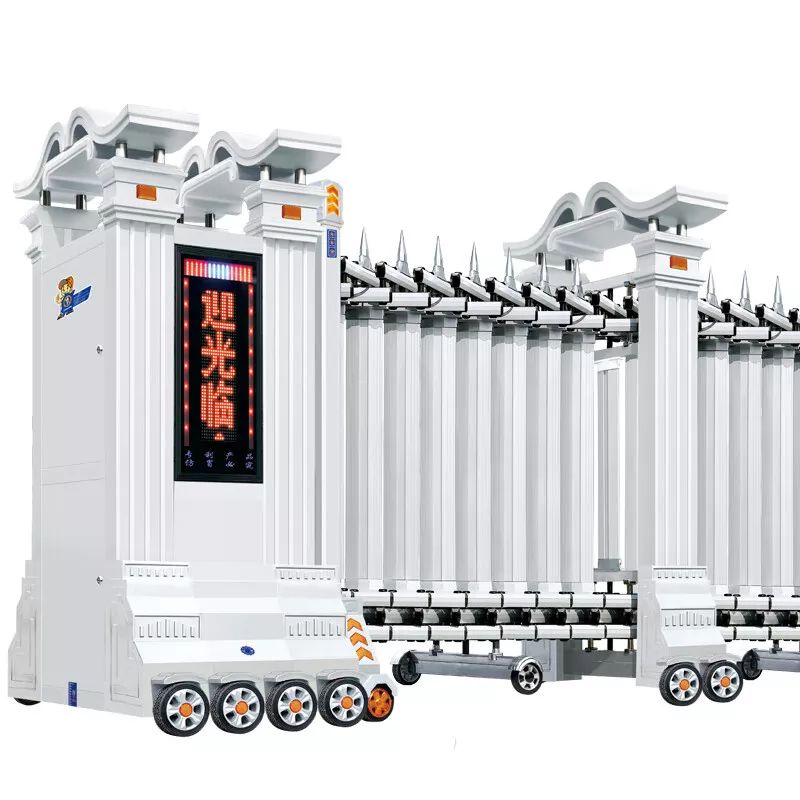
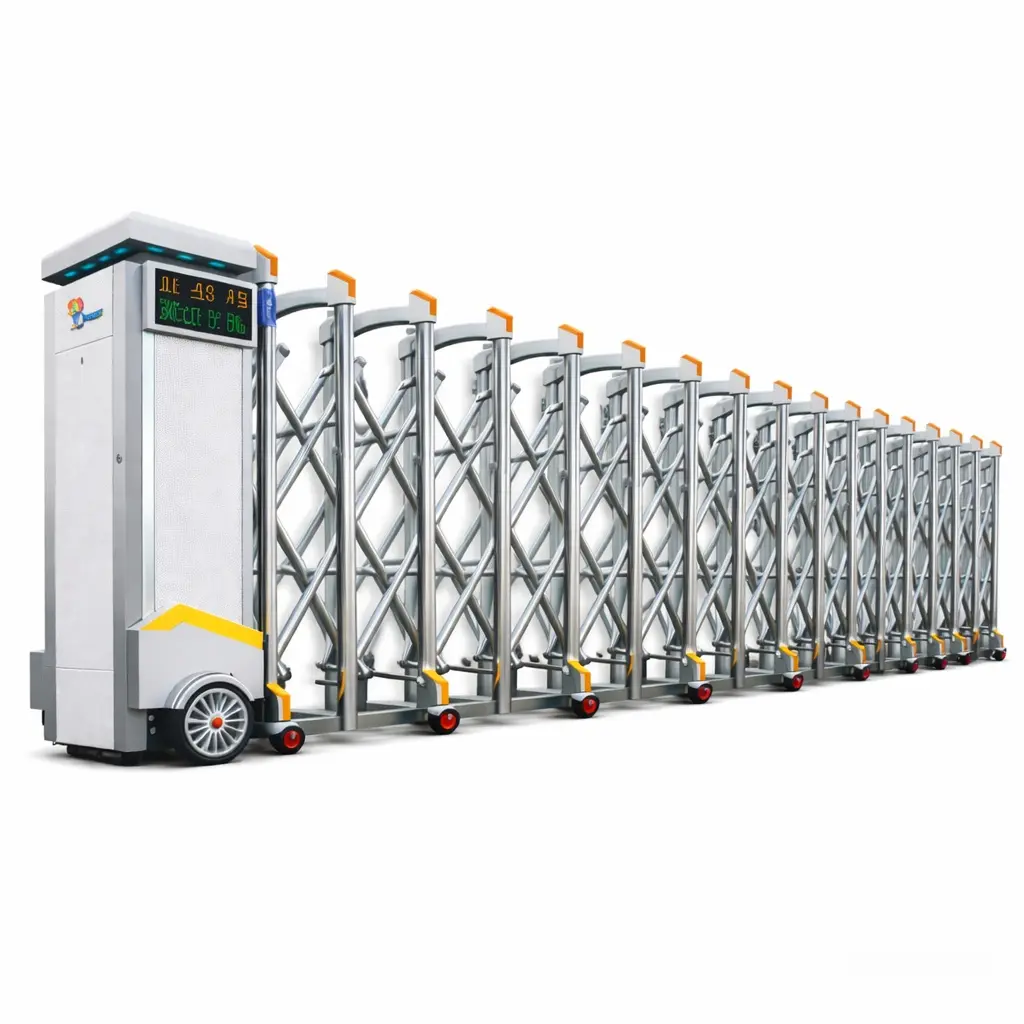
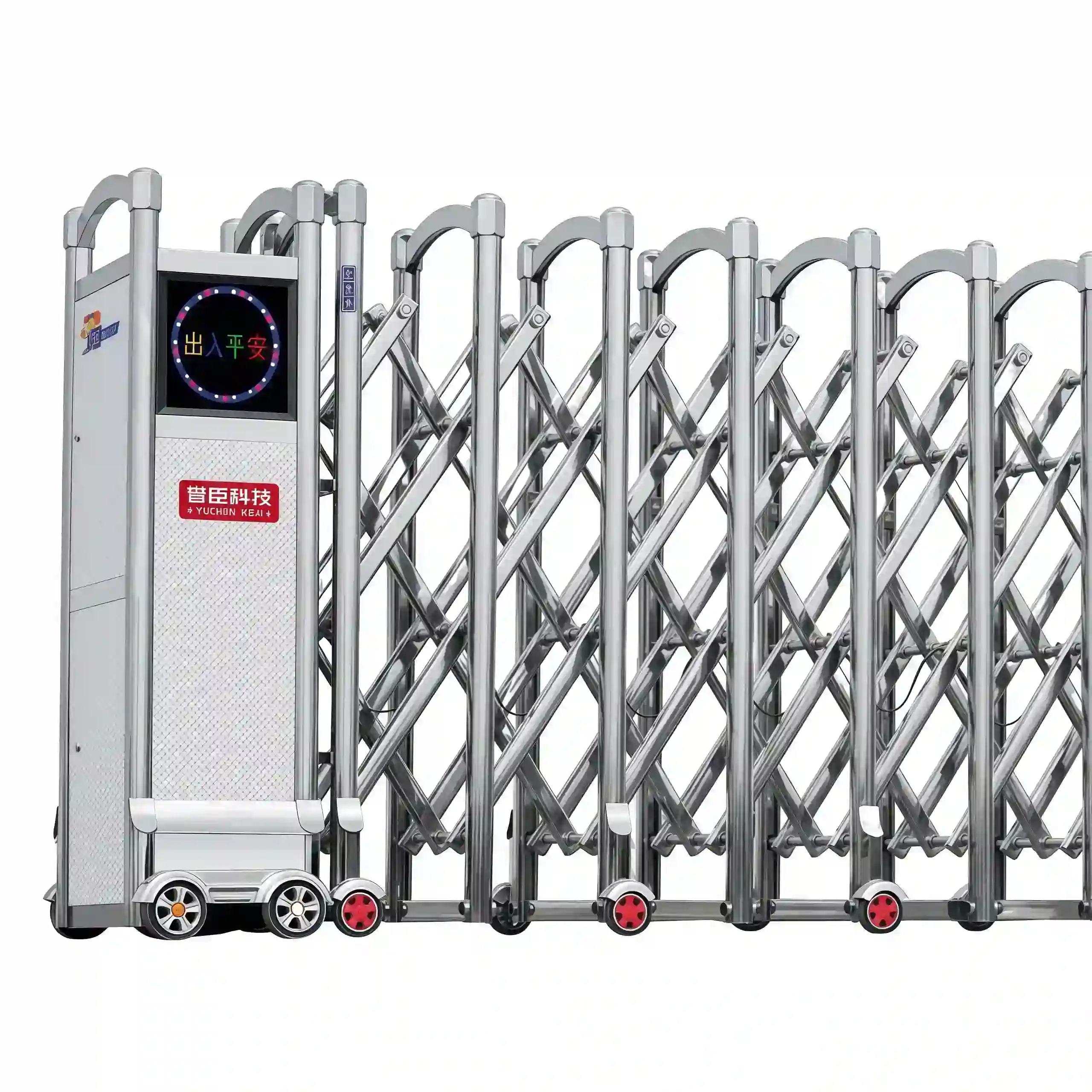
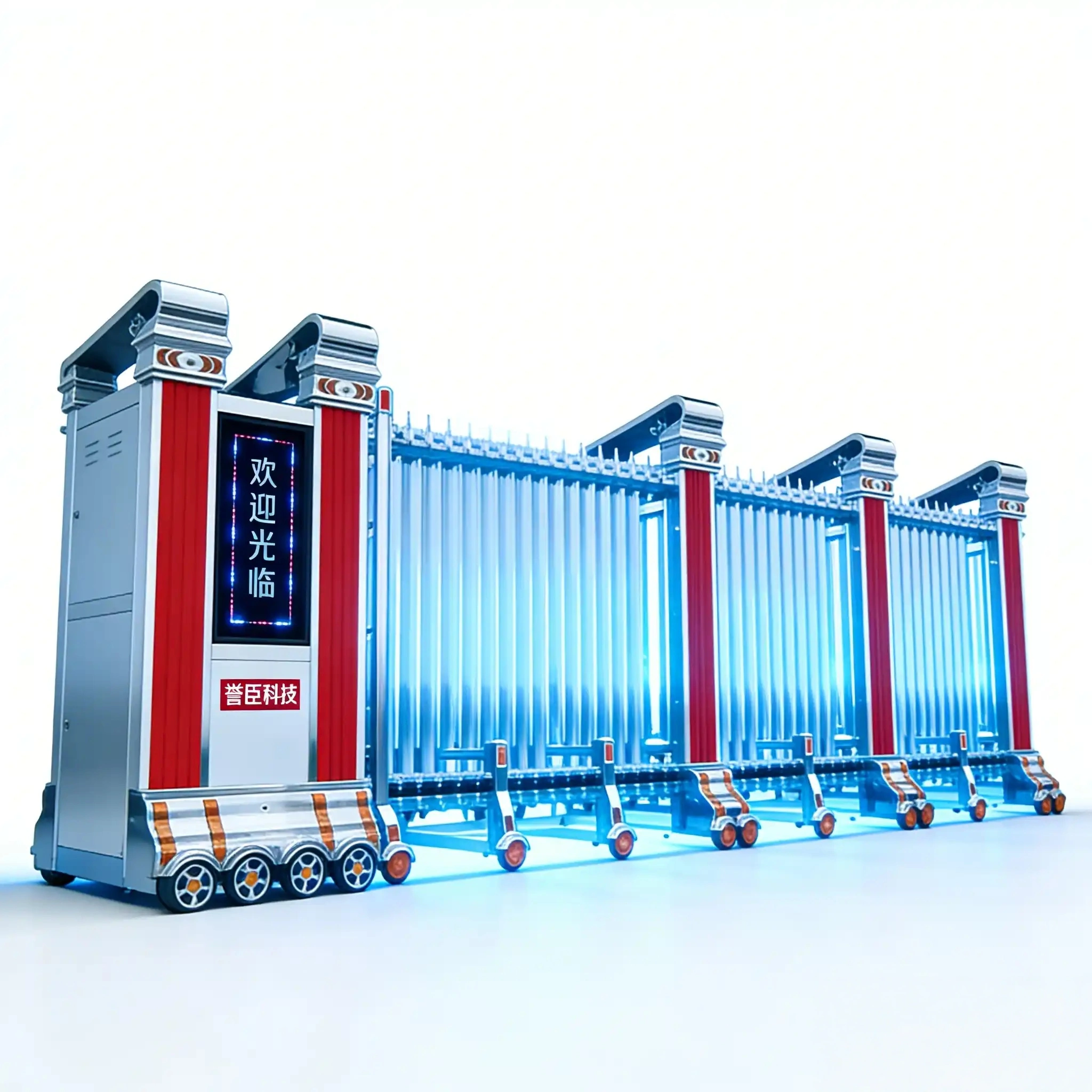
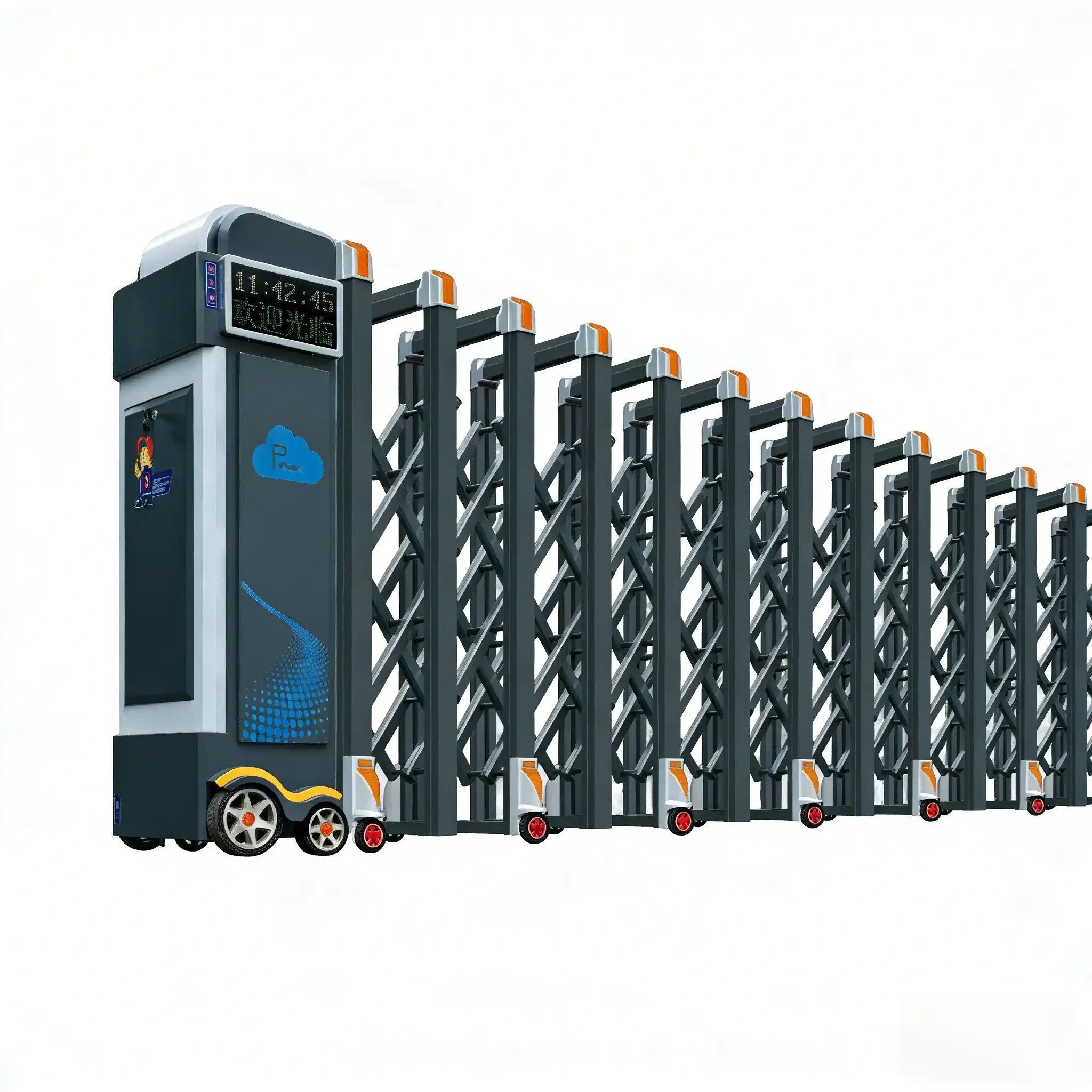
An electric telescopic gate is an automated gate system designed to extend and retract horizontally along a track or trackless system. Unlike traditional swing or sliding gates, telescopic gates fold into a compact form, making them ideal for locations with limited lateral space.
These gates are commonly manufactured from aluminum alloy or stainless steel and driven by integrated motors with intelligent control systems.
2. Typical Application Scenarios
Electric telescopic gates are suitable for a wide range of industrial and institutional environments:
2.1 Factories and Manufacturing Plants
-
Controlled vehicle access for staff and logistics
-
High-frequency operation capability
-
Integration with access cards, license plate recognition, or RFID systems
2.2 Industrial Parks and Logistics Centers
-
Long gate openings (often 6–12 meters or more)
-
Durable structures for heavy daily usage
-
Compatibility with centralized security systems
2.3 Schools and Educational Institutions
-
Emphasis on safety features such as obstacle detection
-
Smooth and quiet operation
-
Visual design aligned with campus environments
2.4 Commercial and Government Facilities
-
Aesthetic appearance combined with automation
-
Optional branding or customized finishes
-
Compliance with local safety standards
3. Key Technical Parameters to Consider
Before installation, buyers should understand the core technical specifications that affect performance and suitability:
3.1 Gate Length and Height
-
Standard lengths: 4–12 meters (customizable)
-
Common heights: 1.2–1.6 meters
-
Longer gates require reinforced structures and higher motor torque
3.2 Drive System
-
Motor power typically ranges from 370W to 750W
-
AC or DC motor options depending on local power standards
-
Soft start and soft stop functions reduce mechanical wear
3.3 Control System
-
Remote control, push-button, access card, or mobile app
-
Optional integration with security or building management systems
-
Manual release mechanism for power outages
3.4 Safety Features
-
Infrared sensors or pressure-sensitive edges
-
Anti-collision and automatic stop functions
-
Emergency stop button for public environments
3.5 Power Supply
-
Standard: 220V / 380V AC (region-dependent)
-
Optional solar power systems for remote or energy-saving projects
4. Installation Preparation Requirements
Proper preparation significantly reduces installation time and future maintenance issues.
4.1 Ground and Foundation Conditions
-
Flat, solid concrete surface is essential
-
Recommended foundation depth: 150–200 mm
-
Slope tolerance should be minimal to ensure smooth movement
4.2 Track vs. Trackless Installation
-
Tracked system: Higher stability, suitable for heavy-duty or long gates
-
Trackless system: Easier installation, cleaner appearance, requires high-quality ground leveling
4.3 Environmental Factors
-
Wind load in open areas
-
Dust, sand, or snow conditions
-
Drainage design to prevent water accumulation near the gate base
5. Step-by-Step Electric Telescopic Gate Installation Overview
While exact procedures vary by manufacturer, a standard installation process includes:
-
Measuring and marking the installation area
-
Preparing the concrete foundation and embedded components
-
Positioning and fixing the gate body
-
Installing the drive motor and control box
-
Wiring power supply and control systems
-
Adjusting limit switches and alignment
-
Testing safety sensors and emergency functions
-
Final commissioning and user training
Professional installation is strongly recommended, especially for large-scale or high-frequency usage projects.
6. Common Installation Mistakes to Avoid
-
Insufficient ground leveling, causing gate deviation
-
Incorrect motor power selection for gate length
-
Ignoring local electrical safety regulations
-
Poor cable protection in outdoor environments
-
Skipping safety sensor calibration
Avoiding these issues can significantly extend service life and reduce downtime.
7. How to Choose the Right Electric Telescopic Gate
For procurement managers and distributors, selection should be based on practical requirements rather than appearance alone.
7.1 Usage Frequency
-
High-frequency sites require reinforced frames and industrial-grade motors
7.2 Local Climate
-
Coastal or humid regions need corrosion-resistant materials
-
Cold regions may require low-temperature motor protection
7.3 Compliance and Standards
-
Check local electrical and safety compliance requirements
-
Ensure compatibility with regional voltage and control systems
7.4 After-Sales Support
-
Availability of spare parts
-
Technical documentation and remote support
-
Installation guidance and maintenance instructions
8. Maintenance Considerations After Installation
Routine maintenance helps prevent unexpected failures:
-
Regular cleaning of wheels and tracks
-
Checking fasteners and electrical connections
-
Periodic testing of safety sensors
-
Lubrication according to manufacturer guidelines
Most industrial users schedule inspections every 3–6 months.
9. Final Thoughts
Electric telescopic gate installation is not just a mechanical task but a system-level process involving site conditions, electrical safety, and operational requirements. A well-installed gate improves security, efficiency, and long-term reliability for factories, campuses, and industrial facilities.
For buyers planning new installations or upgrades, working with an experienced manufacturer or supplier can help ensure correct configuration, proper installation guidance, and stable operation throughout the product lifecycle.
If you require technical specifications, installation drawings, or customized solutions for your project, it is advisable to contact a qualified electric telescopic gate manufacturer for professional support.
 Track vs Trackless Electric Telescopic Gate Installation for Industrial Sites
 You May Also Like


 Tel
Tel
 Email
Email
 Address
Building A, Block 7, Liandong U Valley Nansha Park, Danzao Town (Jinsha), Nanhai District, Foshan City, Guangdong Province [Yuchen Technology]