
 Home
HomeBeyond Touch: How Contactless Pedestrian Gates Are Redefining Modern Security
 Jan 24,2026
 20574
20574
 Yuchen
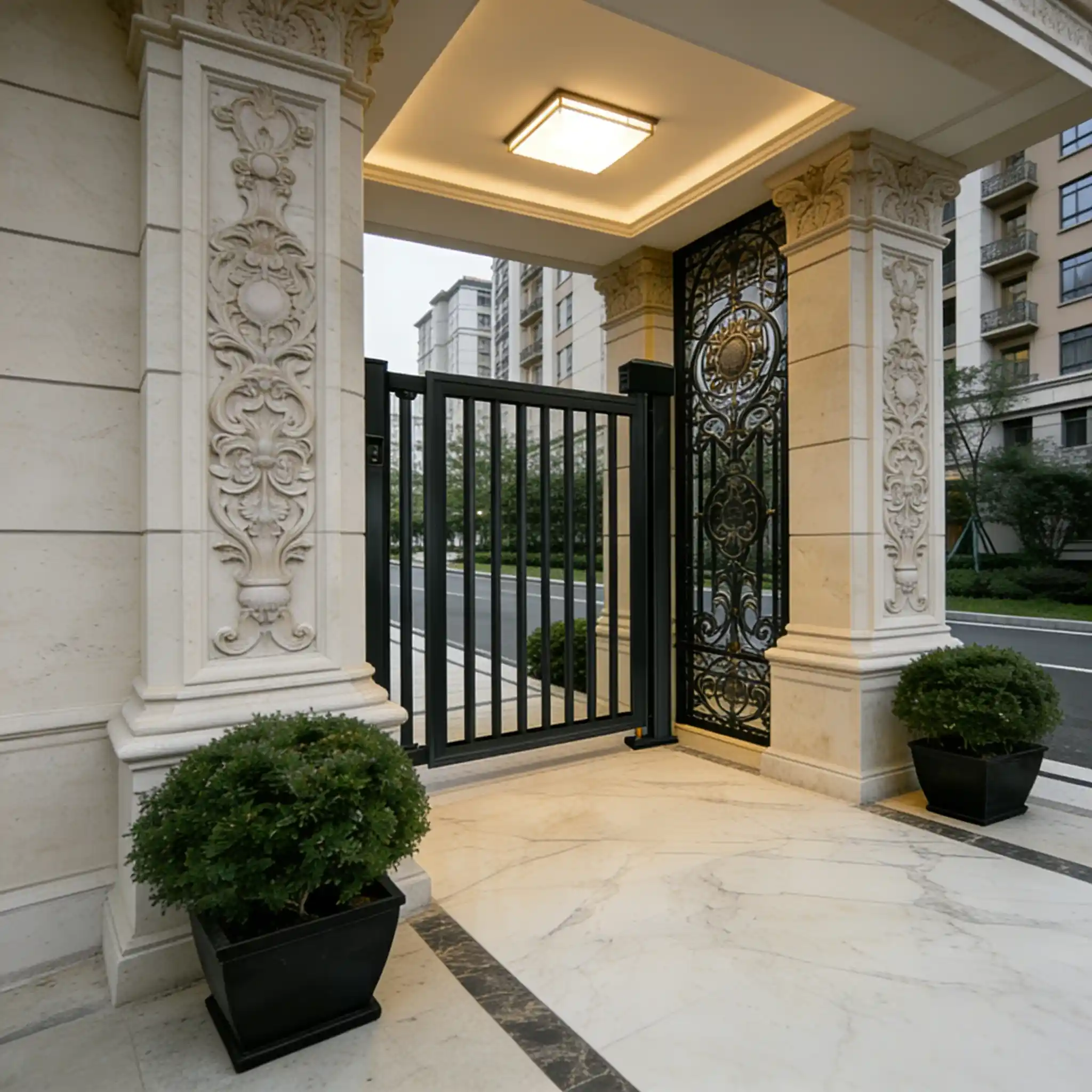
The global shift toward touchless solutions isn’t just a post-pandemic trend—it’s a permanent evolution in how we balance safety, convenience, and efficiency. For property managers, school administrators, and business owners, automatic pedestrian swing gates have emerged as the cornerstone of this new security era, offering a seamless way to control access without compromising on protection.
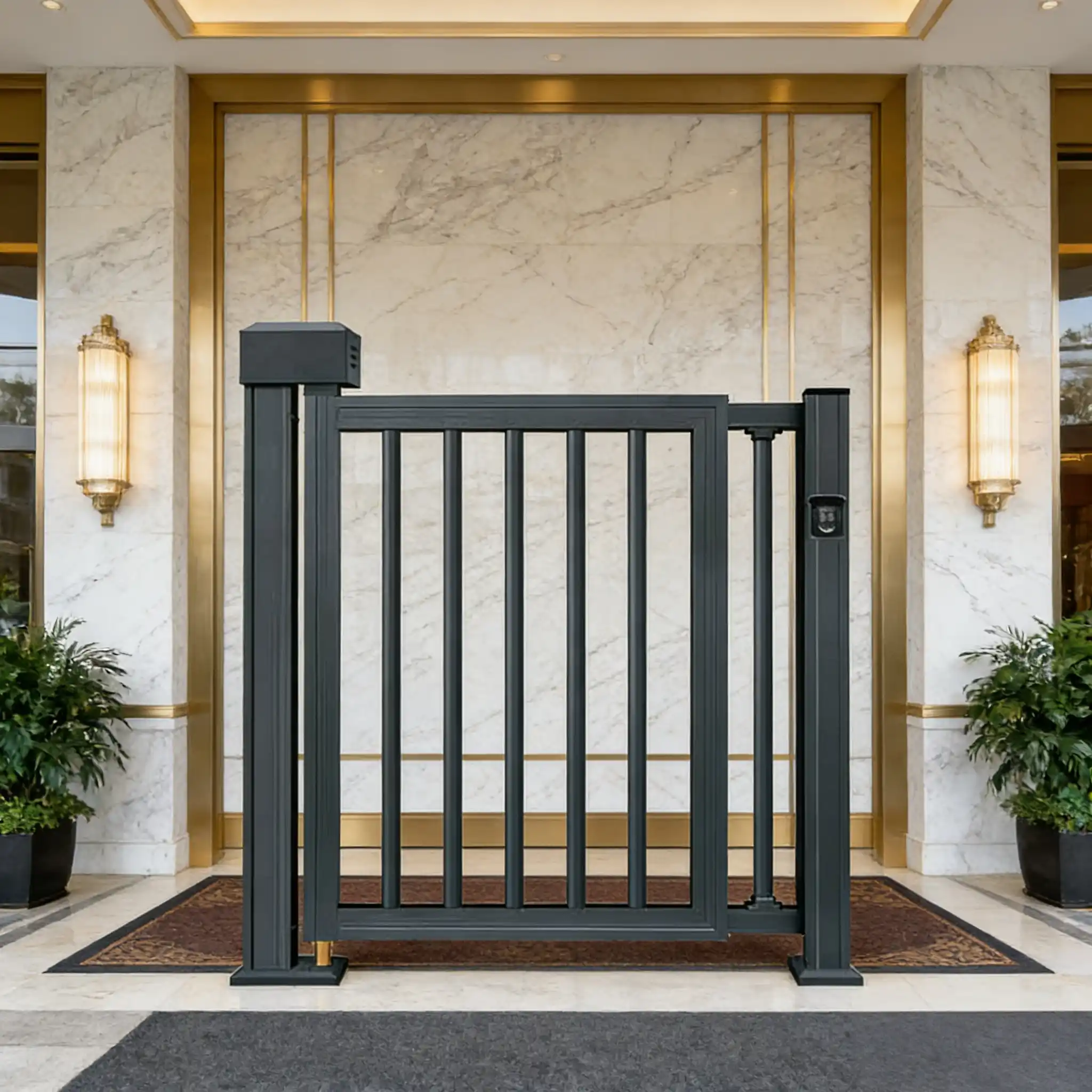 Why Contactless Access Is Non-Negotiable in 2026
Before the COVID-19 pandemic, touchless technology was a “nice-to-have” for high-end buildings. Today, it’s a baseline expectation for anyone prioritizing public health and operational resilience.
- Health First: Traditional keypads and card readers become breeding grounds for germs in high-traffic areas. A 2025 study by the Journal of Environmental Health found that 68% of facility managers reported a reduction in workplace illnesses after installing touchless access systems.
- Speed & Flow: Contactless gates cut wait times by up to 40% in busy locations like train stations and office lobbies, eliminating bottlenecks during rush hour.
- Future-Proofing: As cities become smarter, touchless systems integrate seamlessly with IoT platforms, allowing remote management and real-time analytics to stay ahead of security threats.
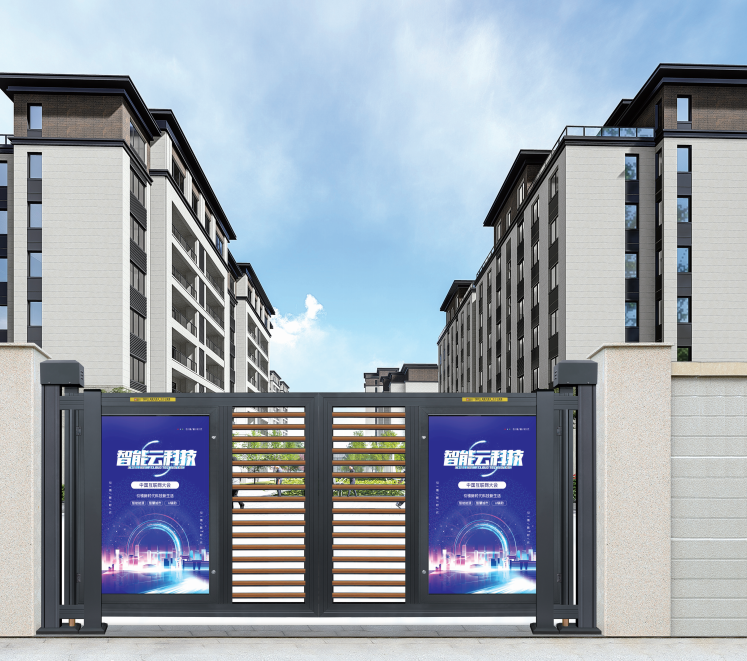 The Technology Powering the Touchless Revolution
Modern pedestrian swing gates are far more than just motorized doors—they’re AI-powered access control hubs. Here’s what makes them stand out:
- Facial Recognition: Leading systems use 3D facial mapping to verify identities in under 0.5 seconds, even with masks or sunglasses. This is particularly critical for schools and government buildings where tailgating is a major risk.
- Bluetooth & Mobile Credentials: Employees and residents can use their smartphones as digital keys, reducing the need for physical cards that can be lost or cloned.
- Smart Sensors: Infrared anti-pinch technology and obstacle detection ensure safe passage for children, seniors, and people with mobility challenges, keeping your facility compliant with accessibility standards like ADA.
Real-World Impact: Who’s Winning with Touchless Gates?
- Education: A K12 school district in Chicago reported a 75% drop in unauthorized entries after installing facial recognition swing gates, while also cutting morning check-in times by 25 minutes.
- Commercial Real Estate: A Singapore-based office tower reduced maintenance costs by 30% by replacing manual security guards with AI-powered gates, which operate 24/7 without fatigue.
- Hospitality: A luxury resort in Dubai used contactless gates to create a frictionless guest experience, with visitors entering via facial scan pre-registered during booking.
How to Choose the Right Contactless Pedestrian Gate
Not all touchless systems are created equal. Here’s what to prioritize:
- Durability: Look for IP54-rated gates with corrosion-resistant aluminum frames to withstand rain, snow, or coastal salt spray.
- Integration: Ensure the system works with your existing access control software, whether it’s for visitor management or employee time tracking.
- Scalability: Opt for modular designs that let you add features like license plate recognition or thermal screening later as your needs evolve.
Ready to Make the Switch?
The days of choosing between security and convenience are over. Contactless pedestrian swing gates deliver both, turning your entrance from a potential weak point into a smart, efficient first line of defense. Whether you’re upgrading a school, office, or residential community, the time to invest in touchless technology is now—before the next wave of safety expectations arrives.
 The Ultimate Guide to Electric Gates: Smart, Safe, and Efficient
 You May Also Like



 Tel
Tel
 Email
Email
 Address
Building A, Block 7, Liandong U Valley Nansha Park, Danzao Town (Jinsha), Nanhai District, Foshan City, Guangdong Province [Yuchen Technology]